Hunger relief takes more than food.
It takes people. People who plan, coordinate, and solve problems every day to make sure meals reach families who need them. This International Women’s Day, we are highlighting the women in hunger relief whose work often happens behind the scenes but is essential to serving neighbors across Middle Tennessee.
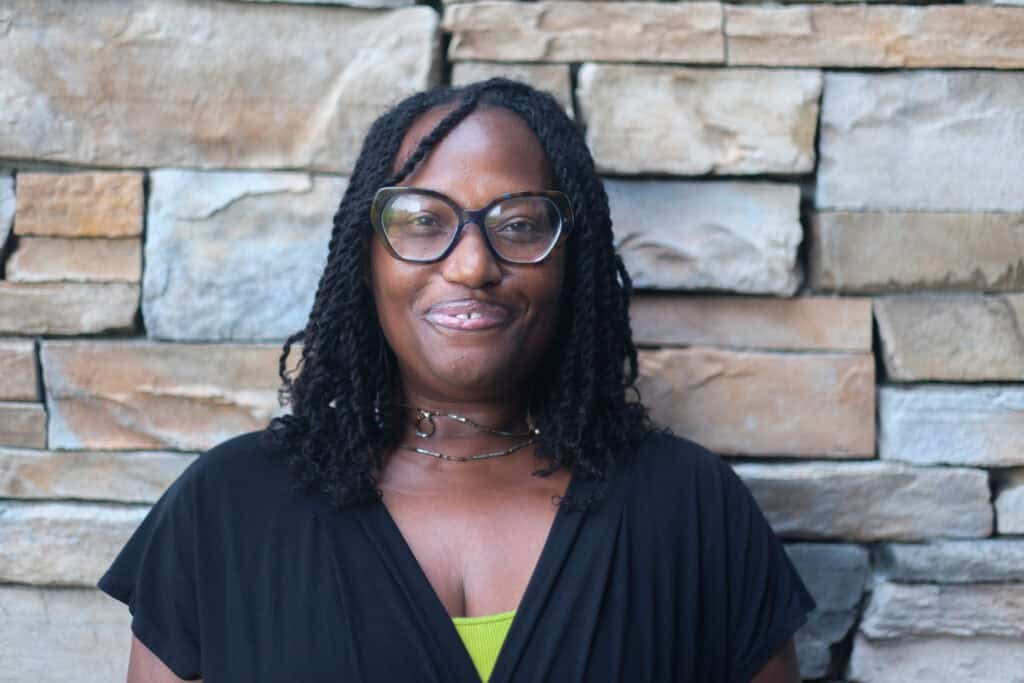
At Second Harvest Food Bank of Middle Tennessee, Taisha one of those women helps keep food moving across a 46-county service area every single day.
Making Sure Food Gets Where It’s Needed
Her work centers on transportation coordination. Every day begins with reviewing delivery schedules, confirming routes, and making sure drivers are ready for the road.
“I coordinate delivery routes, schedule drivers, and work closely with our warehouse and distribution teams to keep everything moving efficiently,” she explains. “My focus is on making sure orders are organized, trucks are routed effectively, and deliveries happen on time so food can reach the people who need it most.”
Throughout the day, plans shift. Routes change. New orders come in. Donations must be picked up quickly.
Problem-solving becomes part of the rhythm.
“There’s a lot of problem-solving involved,” she says. “But I enjoy finding solutions and keeping everything running smoothly.”
Behind every delivery is careful coordination that ensures food arrives at local pantries, shelters, and, eventually, on family’s tables across the region.
A Long Commitment to Feeding the Community
Her path into hunger relief began long before joining Second Harvest.
“Since the early 2000s, my children and I have volunteered in different ways to help feed members of our community,” she says. “Even when it was on a much smaller scale, those experiences inspired me.”
Today, being part of a larger effort to reach communities across 46 counties feels deeply meaningful.
“Food is a basic need,” she says. “And in many ways, food is medicine. Knowing the work I do helps ensure families have access to it is incredibly rewarding.”
The Challenge of Moving Food Across 46 Counties
Coordinating transportation across such a large service area is not simple.
Distance, weather, traffic, last-minute changes, and time-sensitive donations all influence the daily schedule. Routes must be carefully planned and adjusted in real time.
“Planning efficient routes and making sure deliveries happen requires a lot of coordination and flexibility,” she explains.
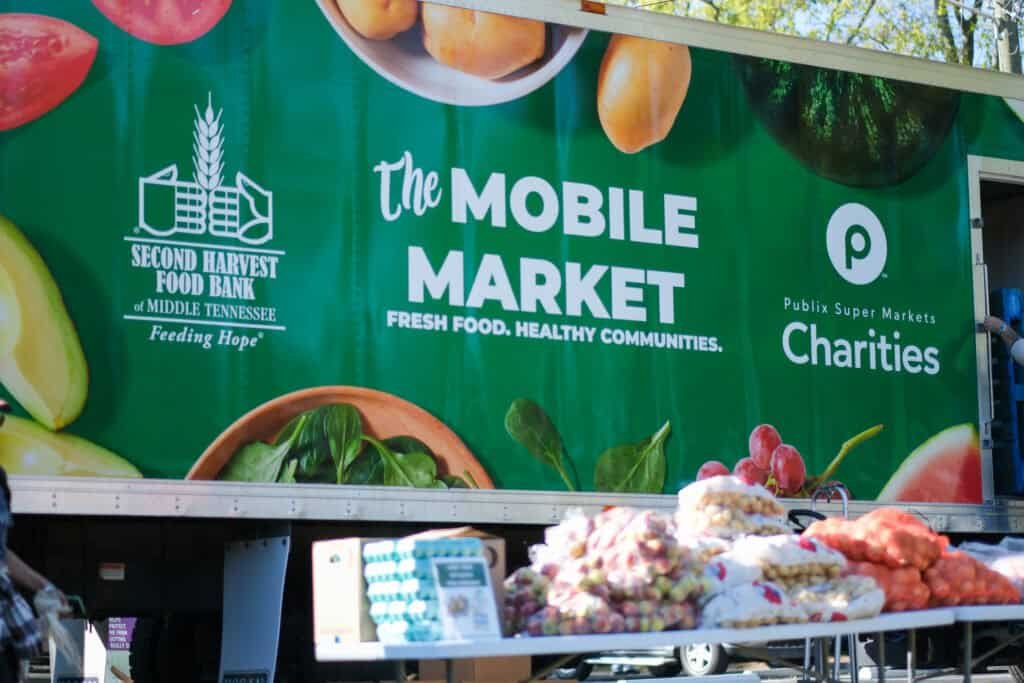
Communication becomes the backbone of the work.
Staying connected with drivers, warehouse staff, and partner agencies helps ensure food continues moving even when plans shift.
“At the end of the day, teamwork and problem-solving make it possible,” she says.
What People Don’t See Behind the Scenes
Many people picture hunger relief as volunteers packing food boxes or neighbors picking up groceries at a pantry.
But transportation plays a vital role long before food reaches a distribution site.
One key part of that system is food rescue.
“Food rescue is something many people don’t realize,” she explains. “Drivers recover donated food from grocery stores, markets, and companies across our service area so it can help fight hunger.”
That work requires careful planning and coordination. Routes must align with donation schedules, warehouse capacity, and partner agency needs.
“A lot of teamwork goes into making sure food moves quickly and safely from where it’s donated to the communities that depend on it,” she says.
Celebrating Women’s Impact
For her, International Women’s Day is a time to reflect on the contributions women make across every field.
“It’s a chance to recognize the strength, dedication, and achievements of women in communities around the world,” she says.
It is also a moment to look ahead.
“Women bring resilience and leadership to the work they do. Celebrating that helps encourage opportunities for women moving forward.”
A Reminder of Why the Work Matters
Although much of her work happens in logistics and coordination, moments of connection with community partners provide powerful reminders of the mission.
When partner agencies come to the warehouse to pick up food, she often has the opportunity to speak with them directly.
“I get to shake their hands, thank them for the work they do, and hear about the communities they serve,” she says.
Those conversations offer a glimpse into the lives being impacted.
“They help me see how important this work is and how dedicated the people on the front lines are.”
Advice for the Next Generation
Logistics and transportation can be demanding work. Schedules change, problems arise, and long hours are sometimes necessary.
But for those who feel called to the mission, the rewards are significant.
“If you have the passion, drive, and opportunity, go for it,” she says.
“When you connect this kind of work to feeding communities who desperately need it, it becomes something incredibly fulfilling.”
And every day, women across the hunger-relief network prove just how powerful that work can be.